Cabinet Refinishing Process Explained: From Start to Finish

Cabinet Refinishing

Cabinet Refinishing Modesto is a detailed and methodical process designed to restore the appearance of existing cabinets without removing or replacing them. It is a popular option for homeowners who want to update their kitchen or bathroom while preserving the original cabinet structure.

Understanding the cabinet refinishing process helps set realistic expectations, highlights the value of professional workmanship, and explains why refinishing can deliver long lasting, high quality results when done correctly.

Understanding What Cabinet Refinishing Really Means

Cabinet refinishing focuses on renewing the existing cabinet surfaces rather than changing the cabinet layout or structure. The cabinet boxes, doors, and drawer fronts remain in place, but their exterior finish is removed, repaired, and replaced with a new coating. This process is ideal for cabinets that are structurally sound but show signs of wear such as fading, scratches, stains, or outdated color.

Unlike refacing, which replaces doors and veneers, or painting that may only involve surface level changes, refinishing is a restoration focused approach. It improves appearance while maintaining the integrity of the original materials, which are often solid wood and higher quality than many modern replacements.

Step One: Initial Evaluation and Project Planning

The cabinet refinishing process begins with an evaluation of the existing cabinets. This step determines whether the cabinets are suitable candidates for refinishing. Professionals inspect the cabinet boxes, doors, drawer fronts, and frames for structural integrity, water damage, warping, or excessive wear.

During this stage, homeowners discuss goals such as color changes, stain versus paint, sheen level, and overall style. The condition of the cabinets influences what finishes are possible and how much preparation will be required. Planning also includes reviewing the project timeline, drying periods, and how the kitchen or bathroom will be used during refinishing.

Clear planning at the start prevents delays and ensures the final result aligns with expectations.

Step Two: Protecting the Work Area

Before any refinishing work begins, the surrounding area must be protected. Cabinet refinishing is a detail oriented process that involves sanding, cleaning, and applying finishes, all of which require controlled conditions.

Professionals protect countertops, floors, appliances, and walls with coverings. Ventilation systems may be set up to control dust and fumes. Proper preparation of the workspace ensures safety, cleanliness, and a higher quality finish.

This step also includes removing cabinet doors, drawer fronts, and hardware. Each piece is carefully labeled to ensure correct reinstallation later. Removing these components allows for more even refinishing and reduces the risk of overspray or uneven application.

Step Three: Deep Cleaning and Degreasing

One of the most critical and often underestimated steps in cabinet refinishing is deep cleaning. Over time, cabinets accumulate grease, oils, dirt, and residue from cooking and daily use. These contaminants prevent finishes from adhering properly if not removed.

Professionals use specialized cleaners and degreasers to break down buildup on all surfaces, including edges and corners. This step is especially important in kitchens, where airborne grease can coat cabinets invisibly.

Skipping or rushing cleaning leads to peeling, bubbling, or uneven finishes later. Thorough cleaning ensures the refinishing process starts with a clean, stable surface.

Step Four: Sanding and Surface Preparation

Sanding is the foundation of the cabinet refinishing process. Its purpose is to remove the existing finish, smooth imperfections, and prepare the surface for repairs and new coatings. Sanding may be done by hand or with professional tools, depending on cabinet design and condition.

During sanding, scratches, dents, and worn areas become more visible. This step creates an even surface and allows fillers and primers to bond effectively. Careful sanding is especially important on detailed cabinet profiles to preserve their shape.

Proper surface preparation at this stage directly affects the durability and appearance of the final finish. Inconsistent sanding often results in visible flaws once the new finish is applied.

Step Five: Repairing Imperfections and Damage

After sanding, cabinet surfaces are inspected for damage that needs repair. Minor dents, chips, cracks, or gaps are filled using wood fillers or bonding materials. These repairs restore smoothness and uniformity to the cabinet surfaces.

Loose joints, misaligned doors, or worn edges may also be addressed during this stage. Taking the time to correct these issues ensures that cabinets not only look better but function properly after refinishing.

Repairs are sanded again once dry to blend seamlessly with the surrounding surface. This attention to detail is what separates professional refinishing from temporary cosmetic fixes.

Step Six: Final Surface Preparation and Dust Removal

Before applying any finish, all sanding dust and debris must be removed. Dust particles left on the surface can cause bumps, rough texture, or imperfections in the final coating.

Professionals use vacuum systems, tack cloths, and cleaning solutions to ensure surfaces are completely clean. This step may seem minor, but it plays a significant role in achieving a smooth, professional finish.

A clean surface allows primers, stains, or paints to apply evenly and cure properly.

Step Seven: Applying Primer or Base Coat

The next step depends on whether the cabinets are being painted or stained. For painted cabinets, a primer is applied to create a strong bond between the surface and the paint. Primer also helps block stains, prevent bleed through, and ensure even color coverage.

For stained cabinets, a conditioning step may be used to promote uniform absorption of the stain, especially on wood species prone to blotching. The base coat sets the stage for the final appearance and durability of the cabinets.

Primer or base coats are allowed to dry fully before moving to the next step. Proper drying time is essential to avoid adhesion issues.

Step Eight: Applying the New Finish

The application of the new finish is the most visually transformative part of the cabinet refinishing process. Paint, stain, or clear coat is applied using professional techniques designed to produce smooth, even coverage.

Multiple thin coats are typically applied rather than one thick coat. This approach reduces drips, brush marks, and uneven texture. Each coat is allowed to dry and may be lightly sanded between applications to maintain smoothness.

Color accuracy, consistency, and edge detail are carefully managed. This step determines the final look of the cabinets and requires patience and skill.

Step Nine: Drying and Curing the Finish

Drying and curing are two different stages that are both essential to the refinishing process. Drying refers to the time it takes for the finish to no longer be wet to the touch. Curing is the longer process during which the finish hardens and reaches full durability.

While cabinets may appear finished after drying, they are still vulnerable to damage during curing. Professionals allow adequate time before handling and reinstallation to prevent fingerprints, dents, or sticking.

Understanding curing time helps homeowners protect their newly refinished cabinets and ensures long lasting results.

Step Ten: Reinstalling Doors, Drawers, and Hardware

Once the finish has dried sufficiently, cabinet doors and drawer fronts are carefully reinstalled. Hardware such as hinges, handles, and knobs are either reattached or replaced if the homeowner has chosen updates.

Doors are aligned, hinges adjusted, and drawers tested to ensure smooth operation. This step restores full functionality and completes the transformation.

Attention to alignment and spacing ensures the cabinets look balanced and operate correctly.

Step Eleven: Final Inspection and Touch Ups

The cabinet refinishing process concludes with a detailed inspection. Professionals review all surfaces for consistency, smoothness, and color accuracy. Any minor touch ups are completed to ensure a flawless result.

The work area is cleaned, protective coverings are removed, and the space is returned to normal use. Homeowners are often given care instructions to protect the finish during the remaining curing period.

This final step ensures quality control and customer satisfaction.

Benefits of a Proper Cabinet Refinishing Process

A well executed cabinet refinishing process delivers multiple benefits. It restores beauty, extends cabinet lifespan, and avoids the cost and disruption of replacement. Refinishing also preserves high quality materials that may no longer be available in modern cabinetry.

When done professionally, refinished cabinets can look and perform like new for many years. The process is environmentally responsible, cost effective, and customizable to suit modern design preferences.

Final Thoughts on the Cabinet Refinishing Process

The cabinet refinishing process is a comprehensive restoration method that requires careful preparation, skilled application, and patience. Each step, from initial evaluation to final inspection, plays a crucial role in the success of the project.

Understanding this process helps homeowners appreciate the value of professional refinishing and the craftsmanship involved. When done correctly, cabinet refinishing transforms worn or outdated cabinets into refreshed, durable, and attractive features that enhance the entire space.

Why Concrete Garage Floors Are Worth the Investment

Bare concrete garage floors are prone to cracking under heavy loads and harsh conditions. This can lead to expensive repairs or even structural damage in extreme cases.

Fortunately, it doesn’t take much to protect your valuable vehicles and equipment with a high-quality floor coating. The costs can vary, but professional installation is always worth the investment for a number of key reasons. Visit Website to learn more about durable floor coating options.

Durability

Concrete Garage

Concrete is one of the most durable flooring materials available, and garage floors are no exception. They can withstand heavy loads and vehicle traffic, impact damage from dropped tools or equipment, and even resist moisture and staining. They also require minimal maintenance, which is appealing to homeowners who want a functional and attractive space with less time-consuming chores.

Bare concrete floors can be vulnerable to cracking and other damage, particularly in areas with poor drainage and exposure to extreme temperatures. While repairing or patching these issues can be a short-term solution, a better option is to invest in a garage floor coating. A professionally-installed epoxy or polyurea coating is a long-term solution that will protect your garage floor from damage and extend its lifespan.

A reputable and experienced commercial concrete contractor can provide a variety of coating options to meet your needs and budget, from simple epoxy to elegantly-polished surfaces. In general, epoxy costs $3-12 per square foot compared to $10-18 for polished concrete, and both can be stain resistant with regular sweeping and mopping.

Another advantage of a garage floor coating is that it offers superior traction and prevents slips and falls, making your garage a safer space for everyone in the family. Additionally, it can improve ventilation and reduce moisture in the garage, which is great for preventing mold and mildew growth.

Concrete garage floors are a smart investment for your home, allowing you to use the space for more than just storing vehicles or equipment. They can serve as a workshop, playroom, gym, or home office, and are a good choice for those who like to work on cars or other mechanical projects.

Easy Maintenance

Concrete is one of the most durable materials available. It can withstand massive amounts of weight and resist impacts and chemicals without damage or discoloration. Unfortunately, this strength can make it difficult to maintain a pretty garage floor in the face of heavy usage.

The biggest issue is oil stains. While the floor may look nice when dry, these stains create a health hazard and can be abrasive on tires. Fortunately, the solution is relatively simple. Cover the stain with sawdust, kitty litter, or a dedicated absorbent material product to soak it up for several hours. Then, sweep it away with a push broom or vacuum it off.

For other stains, you can use laundry detergent, baking soda, or a specially-designed grease and soap scum remover. Once the stains have been removed, pressure wash the floor to create a fresh new appearance.

A high-quality garage floor coating can also help prevent stains and make them easier to clean. At ICS Coatings, we offer polyurea garage floor coatings that are made of high-performance materials and formulated for extreme durability. Polyurea is a much more long-lasting option than epoxy, and it resists impact damage, abrasions, UV damage, and staining.

With a variety of design options and colors, you can easily choose a finish that matches your decor preferences and will complement the overall aesthetic of your garage. The pearlescent metallic system, for example, offers a flowing, luxurious look that stands up to tough wear and tear. Or, you can go with a solid color that will add a modern, finished appearance to your garage. Finally, we can even broadcast colored vinyl flakes across the surface to provide a granite-like texture that meets Occupational Safety and Health Administration slip requirements.

Aesthetics

A garage is often viewed as utilitarian space for cars and tools, but with thoughtful design, it can become an attractive extension of the home. Stylish floor coatings like epoxy and polyurea allow homeowners to customize their garage floors with a wide range of patterns, colors, and textures that complement the rest of their home decor.

Stencils and other decorative elements are available in a variety of shapes and sizes, and can be placed before the concrete overlay or staining process to incorporate these patterns into the final look. This can make for a more unique and eye-catching garage flooring solution, and also adds functionality by making it easier to clean the floor without damaging the underlying materials.

Unlike unfinished concrete, coated garage floors are non-porous and resist liquids that can stain the concrete underneath. This eliminates the need for harsh cleaning chemicals and makes sweeping and mopping much easier. This can save homeowners time and money over the long-term.

Many homeowners worry that garage upgrades will disrupt daily activities, but this isn’t always the case. Professional garage floor contractors can install high-performance floor coatings in a relatively short period of time, usually allowing foot traffic and vehicles to return within 24 to 48 hours after the application.

Whether you opt for a classic concrete paint or a more modern option like polyaspartic floor coating, the result will be a beautiful and durable garage floor that looks new for years to come. A good floor coating will even minimize the visibility of dirt and grime, thanks to its reflective properties and the use of decorative flakes. Look for options that are low in VOCs (volatile organic compounds), to ensure you’re making a choice that’s safe for your family and the environment.

Energy Efficiency

Bare concrete floors are prone to unsightly oil and grease spills, which not only leave unattractive stains, but can also seep into the porous surface. This erodes the concrete over time, increasing the risk of premature replacement and leaving behind an unpleasant odor. Professionally applied garage floor coatings provide a protective barrier against such stains, helping homeowners avoid expensive repairs and maintaining a clean, safe space for their vehicles.

A well-done concrete flooring system isn’t only durable, but offers an aesthetic that can dramatically improve the appearance of your home’s garage. This can help boost your property’s curb appeal, potentially increasing its value. Additionally, a professionally installed flooring system is much more energy efficient than other types of garage floor materials. This helps keep your garage warmer during Boise winters, making it a more comfortable working space and less of a burden on your heating bill.

While bare concrete may have a utilitarian look, modern coatings are highly customizable. They can be stamped, colored, or even polished to create a stylish, sophisticated look. This helps you customize your garage to fit your needs, creating a space you’re proud of and enjoy spending time in.

In addition to improving your garage’s appearance, a professionally applied concrete coating is moisture-resistant, shielding your floor against damage caused by heavy rain and high humidity. This protection is a critical factor for areas prone to snow and ice, as the salt used to melt it can wreak havoc on concrete floors. This ensures your garage is safe and dependable year-round.

Value

Concrete is the standard flooring material for garages, but it doesn’t necessarily provide the best value. Unless coated with a durable, high-performance material like epoxy or polyurea, it’s susceptible to chipping, pitting, cracking, and other damage caused by heavy vehicles and tools. Coatings — especially fast-curing options like polyaspartic — offer a tough barrier that protects the concrete floor and extends its lifespan, saving homeowners money on costly repairs and replacements.

Bare concrete is also prone to staining from automotive fluids, which seep into the porous surface and leave unsightly marks that are difficult to remove. This not only looks bad, but it can also create a health and safety hazard for drivers and their passengers. A suspended floor, on the other hand, relying on beams and supports rather than the ground for support, offers a more resilient, safe option for vehicle and equipment storage and use. Additionally, a suspended garage floor is easier to heat in cold weather, which can help keep the space comfortable all year round.

While it might seem counterintuitive, a higher-end concrete garage floor can actually add to your home’s resale value. This is because it provides an attractive, functional upgrade that makes the space more attractive and easier to maintain.

The initial cost of concrete floor coatings may be a little more expensive than a basic tile system or traditional concrete, but it’s important to consider the entire project budget — including the upfront and ongoing costs of materials, professional installation, maintenance, and repair. It’s also worth considering whether you could save money in the long run by tackling a DIY project rather than enlisting a contractor. However, you’ll need to weigh the pros and cons of a DIY project against the complexity of your chosen materials, and the risk of error that can impact durability.

Building Dreams With Reliable Construction Services

Construction services are the cornerstone of every development project, from residential homes to large commercial buildings. These services encompass the planning, management, and execution necessary to transform architectural designs into lasting structures. A well-coordinated construction service ensures projects are completed efficiently, safely, and to the highest quality standards. Understanding the benefits, scope, and essential elements of construction services can help property owners, developers, and businesses make informed decisions that lead to successful outcomes.

construction

The Role of Construction Services

Construction services involve much more than just building walls and roofs. They include comprehensive project management, material procurement, adherence to safety standards, and quality control. Skilled professionals oversee every phase of a project, ensuring that timelines are met, budgets are adhered to, and regulations are followed.

From groundbreaking to finishing touches, construction services coordinate the complex processes required to bring a project to life. These services are essential for creating structures that are durable, functional, and visually appealing. Whether constructing a home, an office building, or a public facility, professional construction services help protect both investment and vision.

Planning and Project Management

Effective construction begins with careful planning and organized project management. Construction services guide in:

  • Developing detailed project schedules
  • Preparing accurate cost estimates and budgets
  • Coordinating teams, equipment, and materials
  • Securing permits and ensuring regulatory compliance

A structured approach minimizes the risk of delays, budget overruns, and errors. Planning ensures that each stage of the construction process is executed efficiently, and it allows clients to monitor progress and make informed decisions throughout the project.

Residential Construction Services

Residential construction services focus on creating comfortable, safe, and aesthetically pleasing homes. Services typically include:

  • Building new homes from foundation to finish
  • Remodeling or renovating existing structures
  • Adding extensions, decks, and outdoor living spaces
  • Upgrading plumbing, electrical, and HVAC systems

Professional residential construction services ensure that homes meet structural standards, comply with safety codes, and reflect the homeowner’s preferences. With expert guidance, clients can achieve their vision while maintaining long-term durability and comfort.

Commercial Construction Services

Commercial construction projects are often larger and more complex than residential ones. These projects require specialized knowledge and precise coordination, including:

  • Large-scale site preparation and foundation work
  • Structural planning for heavy loads and high occupancy
  • Efficient workflow management to reduce business disruption
  • Compliance with occupational health and safety regulations

By combining planning, technical expertise, and skilled labor, commercial construction services create safe, functional, and visually appealing spaces that support business operations and growth.

Renovation and Remodeling

Renovation and remodeling services are crucial for updating, repairing, or improving existing structures. Common services include:

  • Interior remodeling, such as kitchens, bathrooms, and living areas
  • Exterior improvements, including siding, roofing, and landscaping
  • Structural repairs to address wear, damage, or age-related issues
  • Energy efficiency upgrades, including insulation and window replacement

Through careful renovation, construction services enhance both the aesthetics and functionality of a property, while also increasing its long-term value.

Safety and Compliance

Safety is a non-negotiable priority in construction. Construction sites can present hazards such as heavy machinery, elevated work areas, and exposure to building materials. Professional construction teams implement strict safety protocols to protect workers, clients, and visitors.

Additionally, compliance with local and national building codes is essential. Professional services ensure that projects meet regulatory standards, reducing the risk of future legal or structural issues. Permits, inspections, and approvals are all managed by experienced construction teams to maintain safety and compliance.

Cost Efficiency and Time Management

One of the key advantages of professional construction services is their ability to manage projects efficiently. Experienced teams coordinate materials, labor, and equipment to prevent delays and minimize costs.

By anticipating challenges such as supply shortages or unexpected weather conditions, construction professionals keep projects on schedule. Effective time management ensures that deadlines are met, reducing stress and protecting the client’s investment.

Quality Assurance

High-quality construction services prioritize excellence at every stage of a project. Quality assurance measures include:

  • Using durable materials and proven construction techniques
  • Following design specifications and client requirements closely
  • Conducting regular inspections and quality checks
  • Promptly addressing any issues that arise during construction

Quality assurance guarantees that the finished structure is safe, long-lasting, and visually appealing, reflecting both the client’s expectations and the construction team’s commitment to excellence.

Sustainable Construction Practices

Sustainability has become a significant consideration in modern construction. Many services incorporate eco-friendly practices such as:

  • Using energy-efficient materials and systems
  • Implementing waste reduction and recycling programs
  • Designing buildings to maximize natural light and ventilation
  • Employing environmentally responsible construction techniques

Sustainable construction not only protects the environment but also reduces long-term operating costs and creates healthier living and working spaces.

Choosing the Right Construction Service

Selecting the right construction service is critical for project success. Key factors to consider include:

  • Experience and expertise in the type of project being undertaken
  • Reputation for quality, reliability, and professionalism
  • Transparent pricing and detailed project estimates
  • Ability to manage resources, timelines, and safety effectively

A reliable construction service communicates clearly, provides expert guidance, and ensures that the project is completed to the highest standards.

Long-Term Benefits

Engaging professional construction services ensures that projects are executed efficiently, safely, and to a high standard. Well-constructed buildings require less maintenance, have higher resale value, and contribute to a safer and more attractive environment.

For residential projects, expert construction results in durable, comfortable homes. For commercial projects, it creates spaces that enhance operations and appeal to clients or tenants. Investing in professional construction services guarantees that structures are built to last, delivering value for years to come.

Construction services are essential for transforming architectural designs into functional, lasting structures. From planning and project management to execution, renovation, and maintenance, professional construction teams provide the expertise needed for successful outcomes.

By prioritizing quality, safety, efficiency, and sustainability, construction services help clients achieve their goals while protecting investments. Whether building a new home, upgrading a commercial space, or restoring infrastructure, investing in reliable construction services ensures that projects are completed effectively, providing lasting value and satisfaction.

What Is Dumpster Rental and How Does It Work?

Dumpster Rental

Dumpster rental is a convenient waste management solution designed to handle large amounts of debris that standard trash services cannot accommodate. It is commonly used for home cleanouts, renovations, construction projects, landscaping work, and commercial cleanups. Instead of relying on multiple trash bags or repeated trips to disposal facilities, dumpster rental provides a single, centralized container where waste can be collected and removed efficiently.

Understanding what Dumpster Rental Mount Pleasant is and how it works helps homeowners, contractors, and business owners choose the right option and manage waste responsibly.

Understanding What Dumpster Rental Is

Dumpster rental involves leasing a large waste container for temporary use. The rental company delivers the dumpster to a specified location, where it remains on site for an agreed period. During that time, the customer fills the container with approved waste materials. Once the dumpster is full or the project is complete, the rental company picks it up and disposes of the contents according to local regulations.

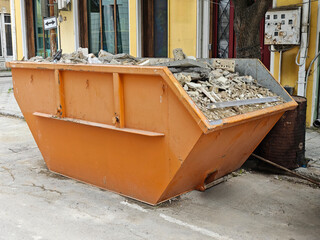
Dumpsters come in different sizes and styles depending on the project. The most common types are roll off dumpsters, which are open top containers delivered by special trucks, and smaller front load dumpsters often used for ongoing commercial waste. For temporary projects, roll off dumpster rental is the most widely used option.

The primary purpose of dumpster rental is to simplify waste disposal while keeping the project area clean, organized, and safe.

Why Dumpster Rental Is Necessary

Many projects generate more waste than standard curbside trash pickup can handle. Home renovations, roofing jobs, major cleanouts, and construction projects can quickly overwhelm normal disposal methods. Dumpster rental provides a practical alternative that saves time and effort.

Without a dumpster, waste often piles up, creating safety hazards and clutter. Loose debris can block walkways, attract pests, and increase the risk of injury. Renting a dumpster keeps waste contained and manageable, allowing work to continue efficiently.

Dumpster rental is also beneficial for projects with tight timelines. Having a container on site eliminates delays caused by disposal trips and helps keep projects on schedule.

Common Situations That Require Dumpster Rental

Dumpster rental is used in a wide range of residential, commercial, and industrial situations. Homeowners often rent dumpsters for garage cleanouts, basement cleanups, attic decluttering, and estate cleanouts. Remodeling projects such as kitchen or bathroom renovations generate debris like drywall, cabinets, flooring, and fixtures that need proper disposal.

Construction and roofing projects rely heavily on dumpster rental. Shingles, wood, metal, and concrete are heavy and bulky materials that require specialized disposal. Landscaping projects also produce large amounts of yard waste, soil, and tree debris.

Businesses use dumpster rental for office relocations, renovations, warehouse cleanouts, and retail buildouts. Demolition projects, whether residential or commercial, depend on dumpsters due to the volume of waste produced.

Types of Dumpsters Available for Rental

Dumpster rental companies offer different types of containers to suit various needs. Roll off dumpsters are the most common choice for temporary projects. These are large, rectangular containers with open tops and a swinging door on one end, making them easy to load.

Front load dumpsters are typically used for ongoing commercial waste needs. These are serviced on a regular schedule and are not usually rented for short term projects.

Some companies also offer specialty dumpsters designed for heavy materials or recycling. Choosing the right type depends on the project size, duration, and type of waste involved.

Dumpster Sizes and How to Choose the Right One

Dumpsters are measured in cubic yards, which indicate how much material the container can hold. Smaller dumpsters are suitable for minor projects, while larger dumpsters are used for extensive cleanouts or construction work.

Choosing the right size is important to avoid overfilling or unnecessary costs. A dumpster that is too small may fill up before the project is complete, requiring additional pickups. A dumpster that is too large may result in paying for unused capacity.

Rental companies often help customers choose the appropriate size based on the project type, expected debris, and weight considerations. Heavy materials can reach weight limits quickly, even if the dumpster is not full.

How Dumpster Rental Works Step by Step

The dumpster rental process is straightforward and designed for convenience. It begins with contacting a rental provider and explaining the project. The provider helps determine the appropriate dumpster size and rental duration.

Once details are finalized, delivery is scheduled. On the delivery date, the rental company brings the dumpster to the specified location using a specialized truck. The dumpster is placed carefully to ensure accessibility and stability.

The customer fills the dumpster during the rental period. When the project is complete or the dumpster is full, pickup is scheduled. The rental company returns to collect the dumpster and transports the waste to a disposal or recycling facility.

This process eliminates the need for the customer to handle waste transportation, saving time and effort.

Where the Dumpster Can Be Placed

Dumpsters are usually placed on private property such as driveways, parking areas, or construction sites. The placement should allow easy access for loading and for the delivery truck.

In some cases, placing a dumpster on a public street or sidewalk may require a permit. Local regulations vary, and rental companies can often advise on permit requirements.

Protecting the surface under the dumpster is also important. Placing boards or plywood beneath the container can prevent damage to pavement or concrete.

What Can and Cannot Go Into a Dumpster

Most dumpster rentals allow a wide range of materials, including household junk, furniture, construction debris, wood, drywall, roofing materials, and yard waste. However, there are restrictions to ensure safe and legal disposal.

Hazardous materials such as chemicals, paint, oil, batteries, asbestos, and medical waste are typically prohibited. Electronics, tires, and appliances with refrigerants may also require special handling.

Rental companies provide clear guidelines on acceptable materials. Following these rules helps avoid extra fees, delays, or environmental violations.

Rental Periods and Flexibility

Dumpster rental periods vary depending on the provider and project needs. Short term rentals may last a few days, while longer projects may require dumpsters for several weeks.

Flexibility is one of the advantages of dumpster rental. Customers can often extend the rental period if the project takes longer than expected. Clear communication with the rental company helps avoid additional charges.

Scheduling delivery and pickup to align with the project timeline ensures efficient waste management.

Cost Factors in Dumpster Rental

The cost of dumpster rental depends on several factors. Dumpster size, rental duration, location, and type of debris all influence pricing. Weight limits are also important, as exceeding them can result in overage fees.

Some rentals include disposal costs in the base price, while others may charge separately based on weight. Understanding pricing details upfront helps customers budget accurately.

Reputable rental companies provide transparent pricing and explain potential additional fees before the rental begins.

Environmental Responsibility and Waste Disposal

Dumpster rental companies play an important role in responsible waste management. After pickup, waste is taken to disposal facilities where recyclable materials may be separated and reused.

Many companies aim to reduce landfill waste by recycling materials such as metal, wood, and concrete. Some projects may benefit from using multiple dumpsters to separate recyclable materials.

Choosing a rental provider that prioritizes responsible disposal supports environmental sustainability.

Safety Tips for Using a Dumpster

Using a dumpster safely is essential. Dumpsters should not be overfilled, as debris extending above the sides can create hazards and prevent pickup. Weight should be distributed evenly to maintain stability.

People should not climb into dumpsters, and prohibited materials should never be placed inside. Keeping the area around the dumpster clear improves safety and accessibility.

Following safety guidelines ensures a smooth rental experience and prevents accidents.

Who Benefits Most From Dumpster Rental

Dumpster rental benefits a wide range of users. Homeowners appreciate the convenience during major cleanouts or renovations. Contractors rely on dumpsters to manage construction debris efficiently. Businesses use dumpster rental to support renovations, relocations, and large cleanups.

Anyone dealing with large amounts of waste can benefit from dumpster rental as a practical and time saving solution.

Final Thoughts on Dumpster Rental and How It Works

Dumpster rental is a simple yet powerful solution for managing waste during projects that generate more debris than standard trash services can handle. By providing a centralized container, professional delivery, and responsible disposal, dumpster rental saves time, improves safety, and keeps projects organized.

Understanding what dumpster rental is and how it works allows homeowners, contractors, and businesses to plan effectively and avoid unnecessary stress. With the right size, proper placement, and a reliable rental provider, dumpster rental becomes an efficient and hassle free part of any project.

Do Home Inspectors Do Repairs?

Home Inspector New Braunfels, TX

Home Inspector New Braunfels, TX assess the condition of homes, flagging issues that need further evaluation by a specialist. They don’t perform the repairs themselves — that would violate industry standards and open them up to liability.

Contractors are licensed professionals who repair, renovate, and build homes. They’re responsible for ensuring that any work they perform meets local and state building codes.

Electrical

A home inspector’s job is to review a property’s overall condition and look for signs of trouble. They’ll comb through every detail of the property, checking for issues with the foundation, plumbing, HVAC, safety features, windows and doors, insulation, and electrical systems.

While most of these issues won’t be a deal-breaker, they will alert buyers to any potential problems that need to be addressed. They may recommend a professional be called in to address the issue before finalizing the sale.

An inspector will also check for the presence of smoke and carbon monoxide detectors. They’ll test them to make sure they are working properly, and will examine the vents and chimneys for any sign of leaks.

Home inspectors will also take a close look at the home’s wiring to assess its age and whether it meets modern standards. They’ll use specialized tools to measure circuit current flow and check for any damage or hazards. This is especially important in older homes, where the risk of fire is higher due to outdated or damaged wiring. Inspectors will also look for GFCI outlets (ground fault circuit interrupters), which are required in moisture-heavy areas like kitchens and bathrooms, to prevent electrical shock.

Depending on the inspection, some electrical issues might need to be repaired before a home can be sold. For example, older homes often have aluminum wiring, which is a major fire hazard and should be replaced with copper to reduce the risk of fire. Rewiring a home can be expensive, and it’s not always possible to do the work in a single day. For this reason, buyers should be prepared to negotiate a price decrease or credit on the home’s purchase to help cover the cost of any necessary repairs.

Plumbing

A home inspector’s job is to examine a property’s structural integrity, exterior and interior. This includes looking at the plumbing, HVAC, roof and electrical systems. In addition to ensuring that they’re functioning properly, inspectors also note any damage or signs of wear and tear.

When it comes to the plumbing, home inspectors look for leaks, corroded or outdated pipes and fixtures. They’re also going to check that the water heater works and the drains in the bathroom and kitchen are clear of obstructions. Inspectors will even look at the sprinkler system if there is one and the fireplace.

While most of the plumbing issues a home inspector finds are minor, some can be major red flags. Leaky faucets, for example, can lead to water damage and toxic mold that’s costly to repair. The same goes for rusty, old or broken pipes that can lead to water leaks or even sewage leaks.

In addition, the inspection may find that some piping is made of polybutylene plastic (PB), cast iron or galvanized steel, which are more likely to corrode than copper piping. While it’s not always necessary to replace these aging pipes, buyers should consider the pros and cons of upgrading to modern materials like PEX or copper.

Inspectors will also note any rotted wood in the attic or wooden floor joists that could jeopardize the structure of the home. It’s important that homeowners and remodelers don’t cut into these joists, as it can cause problems later on such as wall cracks or unstable floors.

Heating & Air Conditioning

Home inspectors are on the lookout for heating, cooling and ventilation systems that don’t work well, are nearing the end of their suggested lifespan or are displaying signs of damage. They’ll also comb through walls, ceilings and the roof to make sure that there aren’t structural issues that could lead to costly repair bills in the future.

If they find any problems, it’s up to you as the seller whether or not you want to make repairs before listing your property. Most buyers won’t want a long list of repairs to complete before they can enjoy their new home, so it’s worth discussing with your REALTOR(r) how you want to handle this part of the process.

For example, if an inspector notes that a home has corroded plumbing lines, they’ll recommend the removal and replacement of these pipes to prevent water leaks and other serious problems down the line. They’ll also look at things like the age of a home’s water heater and check for signs that it has been leaking or running excessively.

While there are no legal requirements for a homeowner to make repairs after a home inspection, there may be situations in which a buyer’s lender requires that the seller address certain issues in order to complete financing. If a seller isn’t willing to make requested repairs, it’s possible for the buyer to back out of the deal without losing their earnest money.

Exterior

Home inspectors often begin their examination with a look at the exterior. This helps them understand how the home is protected against the elements and, in turn, protects and enhances its value and structural integrity.

Exterior inspections typically cover a wide range of elements, including the roof, foundation, doors, windows, walkways and landscaping. Inspecting the condition of a chimney is also part of the process, as it may be a fire hazard if not properly maintained.

In the case of windows, home inspectors are looking to see if they’re insulated and sealed correctly. They’re also inspecting if they’re Thermopane or vinyl, and if there are screens on them. In addition, the inspector is examining the exterior for signs of damage such as chipped paint or water penetration at the joints.

While a home inspector will not necessarily flag a problem that could be considered a deal-breaker for the buyer, he or she will likely point out items that need to be fixed before moving in. This is because these issues will likely impact the buyers’ quality of life and can lead to expensive repairs if not addressed.

For example, a buyer will likely ask that the inspector note any trip hazards in the yard, like cracked sidewalks and steps, or safety concerns on balconies, such as wood rot and loose railings. Additionally, an inspector will check for a proper ground slope to prevent drainage problems, such as rainwater pooling near the foundation of the house or overflowing gutters. Home inspectors will also evaluate retaining walls to make sure they are stable and not leaning or sagging. They’ll also examine the surrounding vegetation for a negative ground slope that might send water toward the house, as well as checking for safety hazards on fences and trellises.

Interior

A home inspector’s role is diagnostic, not corrective. That’s the job of licensed contractors, who perform repairs and renovations based on their expertise in specific trades, such as electrical work, plumbing or general construction. They also follow strict local and state building codes to ensure their work is safe.

During a home inspection, inspectors are on the lookout for potential safety hazards. This could include anything from a crack in the driveway to a lack of smoke and carbon monoxide detectors. In addition, they’ll note any issues that need to be addressed for the house to pass a building code inspection or meet insurance requirements.

It’s important to remember that a home inspector is not a contractor, and they should never give repair estimates. This could lead to conflicts of interest, as well as misunderstandings between real estate agents and buyers.

A home inspector may be able to suggest possible solutions or a timeline for completing the necessary fixes, but they’ll not be able to do the work themselves. This is where a good rapport with a trusted contractor can help.

Home inspectors should be careful not to overstate the age of a home’s systems and structures. For example, a rusty sink or old oven that may need to be replaced isn’t necessarily dangerous, but it might require a professional installation to ensure safety and proper function.

It’s also not a home inspector’s responsibility to speculate on health and safety issues, such as the presence of mold, asbestos or radon. These are things that must be tested professionally, and home inspectors should encourage homeowners to get this testing done. This is especially important because a buyer’s lender can require certain health and safety repairs be made before a sale closes.

Common Mulching Mistakes to Avoid

East Texas Mulching is one of those tasks that can seem deceptively simple but plays a key role in garden health and aesthetics. It keeps weeds out, moderates soil temperature and helps build soil quality over time.

However, if mulch is applied incorrectly, it can actually harm plants and cause problems for the soil. Here are a few common mulching mistakes to avoid.

Too Much Mulch

Mulching

Mulching is a great way to conserve soil moisture, moderate soil temperatures, reduce weeds and other unwanted growth and help protect trees from damage caused by lawnmowers or weed trimmers. However, too much mulch can cause serious problems for your plants.

For example, a thick layer of mulch can suffocate roots by preventing them from absorbing enough oxygen. It can also rob the soil of nitrogen as it decomposes, creating nutrient deficiencies that can be especially problematic for young or delicate plants. And if the mulch is piled against the base of a tree or shrub, it can promote rot and even kill the plant.

For this reason, it is important to regularly check and refresh the layer of mulch. This is particularly important after a heavy rain, or after a significant snowfall. It is also a good idea to use mulch that contains wood products such as bark or shredded leaves, rather than hay or compost, which tend to break down faster and can leave the soil with less available nitrogen.

Not Taking Your Soil Type Into Account

Mulching is one of the most important gardening tasks when it comes to improving soil quality and garden health. It helps suppress weeds, moderates soil temperature, and prevents erosion. However, if mulch isn’t applied correctly, it can damage plants or inhibit growth.

For instance, mulch piled up against the base of trees and shrubs can hold moisture against the bark, creating an environment that’s ripe for rot and disease. To prevent this, spread the mulch out in a doughnut shape around the plant’s base and keep it at least 2-4 inches away from the trunk.

It’s also a good idea to clear the area of weeds and debris before applying mulch. Otherwise, they’ll grow through the mulch and may be harder to pull later on. Also, if the area has already been mulched before, a light rake can be used to fluff up and break down the old mulch, which will improve the soil underneath. This is especially beneficial when planting new beds in spring or fall.

Piling Mulch Around the Base of Trees

Putting mulch right up to the base of trees or plants is a common mistake that can harm them. Mulch should be left several inches away from the trunks of trees, allowing for the fine absorbing roots to take in oxygen. If these roots are suffocated, the tree may eventually die.

The best type of mulch to use for this purpose is organic material, such as wood chips or shredded bark, compost, leaves or a combination of these. Inorganic materials like landscape fabric, gravel and stone should be reserved for walkways and playgrounds, or used in areas far away from shrubs and trees.

When applied properly, mulch can moderate soil temperature and protect plantings during the winter. It can also provide soil aeration, fertility and drainage as well as weed control. However, if mulch is not applied correctly, it can actually harm plants and promote disease, insects and rot. It can even kill them. That’s why it is important to learn more about the common mulching mistakes that can hurt your shrubs and trees.

Applying Mulch Too Early in the Spring

Mulching is a great way to protect your garden beds from the cold, but it can also harm or even kill some plants if it’s done incorrectly. By learning the common mulching mistakes to avoid and following these smart gardening tips, you’ll help ensure that your soil is healthy, and your flowers and shrubs are thriving this spring.

If you apply mulch too early in the spring, it can suffocate and inhibit the soil warming process. It can also trap moisture against the base of a tree or plant, which could lead to rot and disease.

Ideally, you should wait until after the ground has warmed and before weeds are beginning to grow to mulch your gardens. A layer of 2-3 inches is ideal for most beds, as it will prevent weeds from germinating without blocking too much sunlight. Also, avoid using fresh wood chips in the spring, as they can rob the soil of nitrogen as they decompose and hinder nutrient availability for delicate or young plants. Instead, use well-aged wood chips or organic compost for sensitive areas.

Applying Mulch Too Late in the Spring

Mulch is an important part of a healthy garden and helps to conserve moisture, prevent weed growth, moderate soil temperature, and add organic matter. However, it’s important to understand how and when to use mulch. For example, mulch should be applied in the fall or spring after the ground has warmed a bit and before the summer heat sets in. Mulching too early can trap cold moisture and delay the emergence of plants, while mulching too late can hinder plant growth or even kill them.

It is also important to avoid piling mulch up against plant stems and trunks, as this can lead to excess moisture retention that can rot or cause disease. Instead, spread mulch evenly around the base of a plant and leave a small gap around its stem or trunk to allow for airflow and prevent suffocation. Additionally, be sure to fluff the mulch regularly to improve aeration and prevent compaction.

Applying Mulch Too Thinly

Mulch is a great way to promote healthy soil and protect your plants. It insulates roots, regulates the temperature of soil and helps with weed control. It also prevents frost damage, conserves water and nutrients and can help keep plants hydrated. However, mulch must be spread at the right thickness to ensure it is beneficial. Mulch that is too thick can suffocate your plants and cause root rot and pest issues. Mulch that is too thin will allow weeds to push through and can lead to moisture build-up which can also cause problems.

When mulching, it is important to avoid the common mistake of piling mulch up against tree trunks and stems. This practice, known as “volcano mulching,” can lead to disease and rot. Instead, spread the mulch out in a doughnut shape around the base of the plant. It is also important to not apply the mulch too close to the ground, as this can create a thatch effect and limit airflow and water absorption.

Applying Mulch Too Deep

Mulch provides many benefits, including conserving soil moisture, suppressing weeds, and improving soil structure, aeration, and fertility over time. However, mulch can also harm plants if it is applied too thickly or at the wrong time. A layer of mulch that is too thick can create a dense, matted surface that blocks out sunlight and prevents plant roots from getting the oxygen they need. This can lead to root rot and stunted growth.

A layer of mulch that is too deep can also promote the growth of wood-eating fungi that decompose organic matter and reduce soil aeration. Additionally, the excessive heat generated by rapid organic matter decomposition can burn roots and damage or even kill trees.

Another common mistake is applying mulch too close to the trunks of trees and shrubs. This practice, known as “volcano mulching,” keeps the tree base constantly moist, interfering with cambium and phloem respiration and encouraging moisture-loving organisms like canker fungi and root rot. The best practice is to keep the mulch layer no more than 2-4 inches away from the base of the plant.

Applying Mulch Too Often

Mulching is a valuable gardening task that improves soil quality over time and helps retain moisture levels, regulate temperature, suppress weeds and improve garden aesthetics. But it’s easy to get it wrong. When mulch is applied incorrectly, it can harm plants, change the soil pH, rob the ground of nutrients and attract pests.

One of the most common mulch mistakes is piling on too much. This can suffocate the roots and prevent water and air from getting to them. Instead, aim for a layer about 2-3 inches deep.

It’s also important to avoid using too many different types of mulch. For example, hardwood barks can make the soil too alkaline (basic), which can lead to nutrient deficiencies in acid-loving plants like rhododendron and azaleas. Alternatively, try using a compost or leaf-based mulch that doesn’t rob the soil of nitrogen.

Navigation